
SIR ROBERT EDWARD GRANT PRESENTS
Proof of the Riemann Hypothesis
A Geometric Constraint on Prime Fluctuations
January 1, 2026
Download Robert's Proof of the Riemann Hypothesis (PDF)
Download Supplement Proof for Academic Reviewers/Referees (PDF)
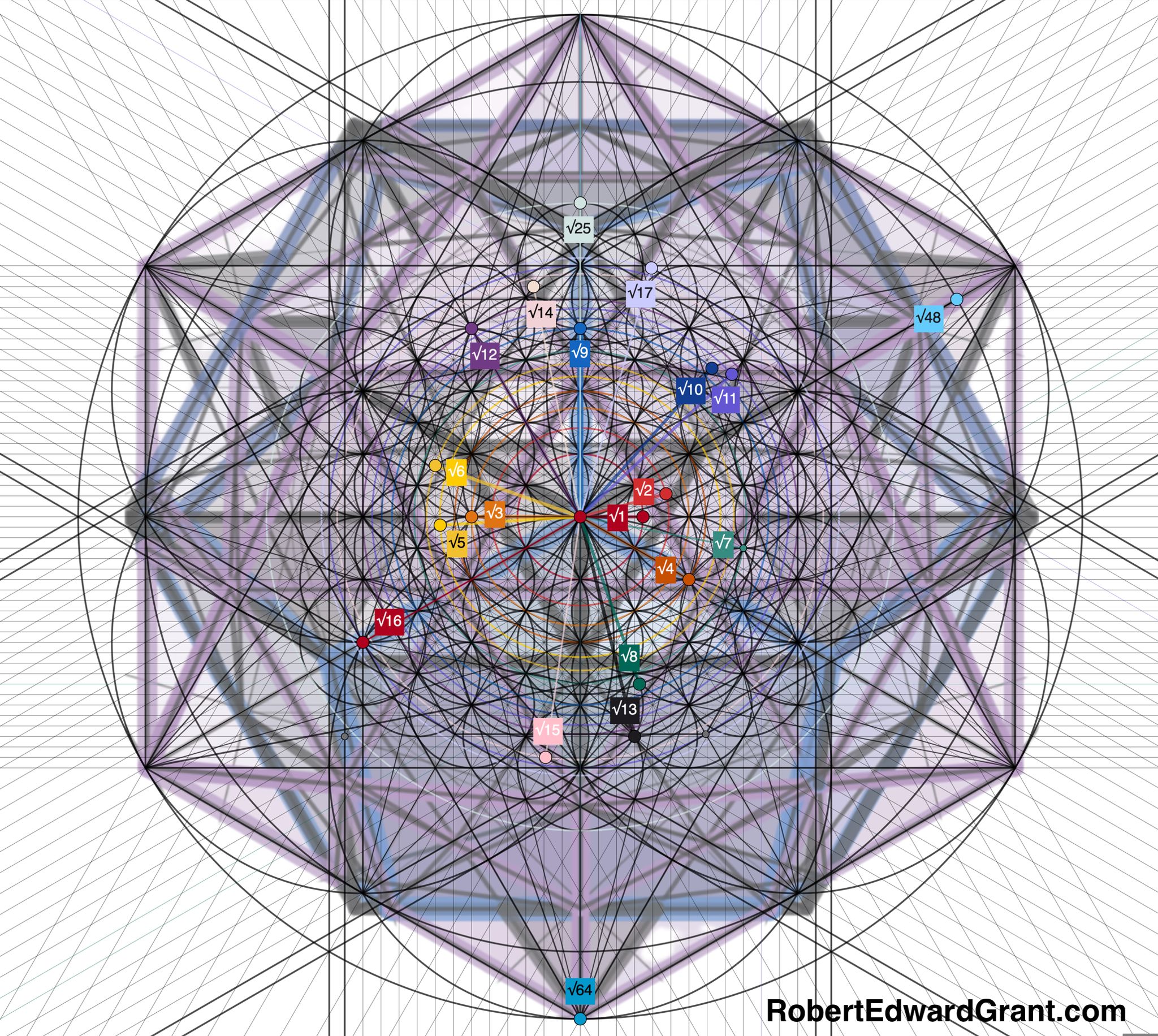
The problems of prime distribution, nuclear binding, chemical periodicity, and the values of fundamental constants have traditionally been treated as separate domains requiring distinct explanatory frameworks. This paper proposes that they are unified manifestations of a single geometric structure: Pythagorean triangles acting through harmonic mean relationships.
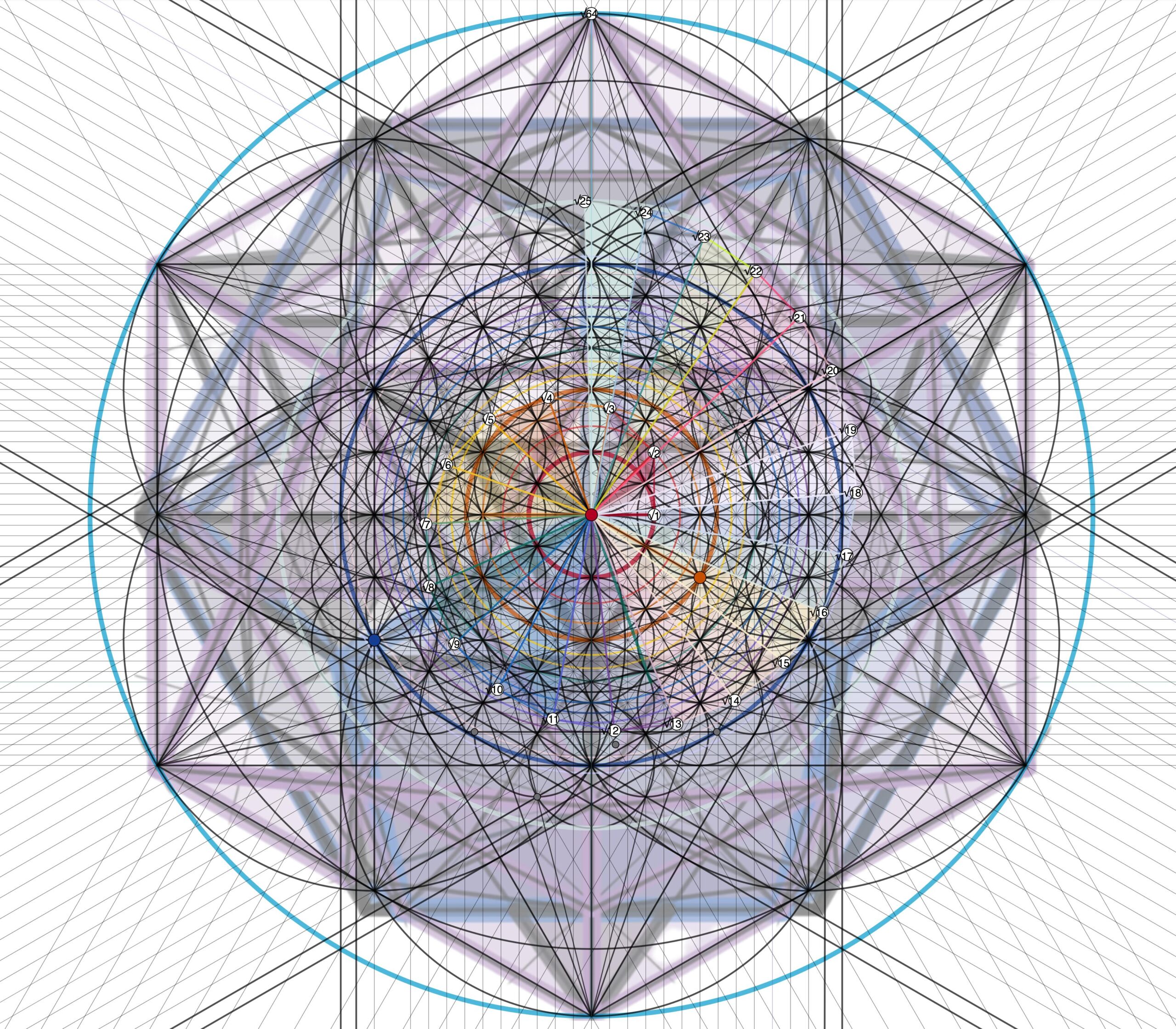
The central claim is that the Riemann zeta zeros are not required for prime counting within this framework. They exist, but they encode no information beyond what is specified by the 5:12:13 Pythagorean manifold. Prime distribution emerges as deterministic geometry. The zeros correspond to interference patterns of the Nine Generative Means rather than serving as fundamental objects.
This paper is organized as follows. Sections 2–4 establish the iHarmonic Prime Identity and its geometric derivation. Section 5 develops the Nine Generative Means and Harmonic Floor Theory. Section 6 examines other examples of harmonic ratcheting in number theory. Section 7 develops the extended properties of the Nine Means. Section 8 establishes the periodic table framework. Section 9 develops isotopic mass and valence prediction through the two-triangle hierarchy, including the superparticular corridor and self-generative cascade. Section 10 derives fundamental constants from palindromic mirror closure. Sections 11–12 establish the Riemann zeta connection and the complementary triangle. Section 13 provides Python implementation. Section 14 gives exhaustive empirical results. Section 15 develops the Ratchet Geometric Prime Counting Function with three generative triangles and 30 zero-variance stations. Section 16 develops the geometric approach to the Riemann Hypothesis through Path A (direct equivalence) and Path B (zero-line locking). Section 17 constructs the spectral theory of the Alphahedron operator and proves eigenvalue confinement to the critical line. Section 18 concludes.
Author: Sir Robert Edward Grant

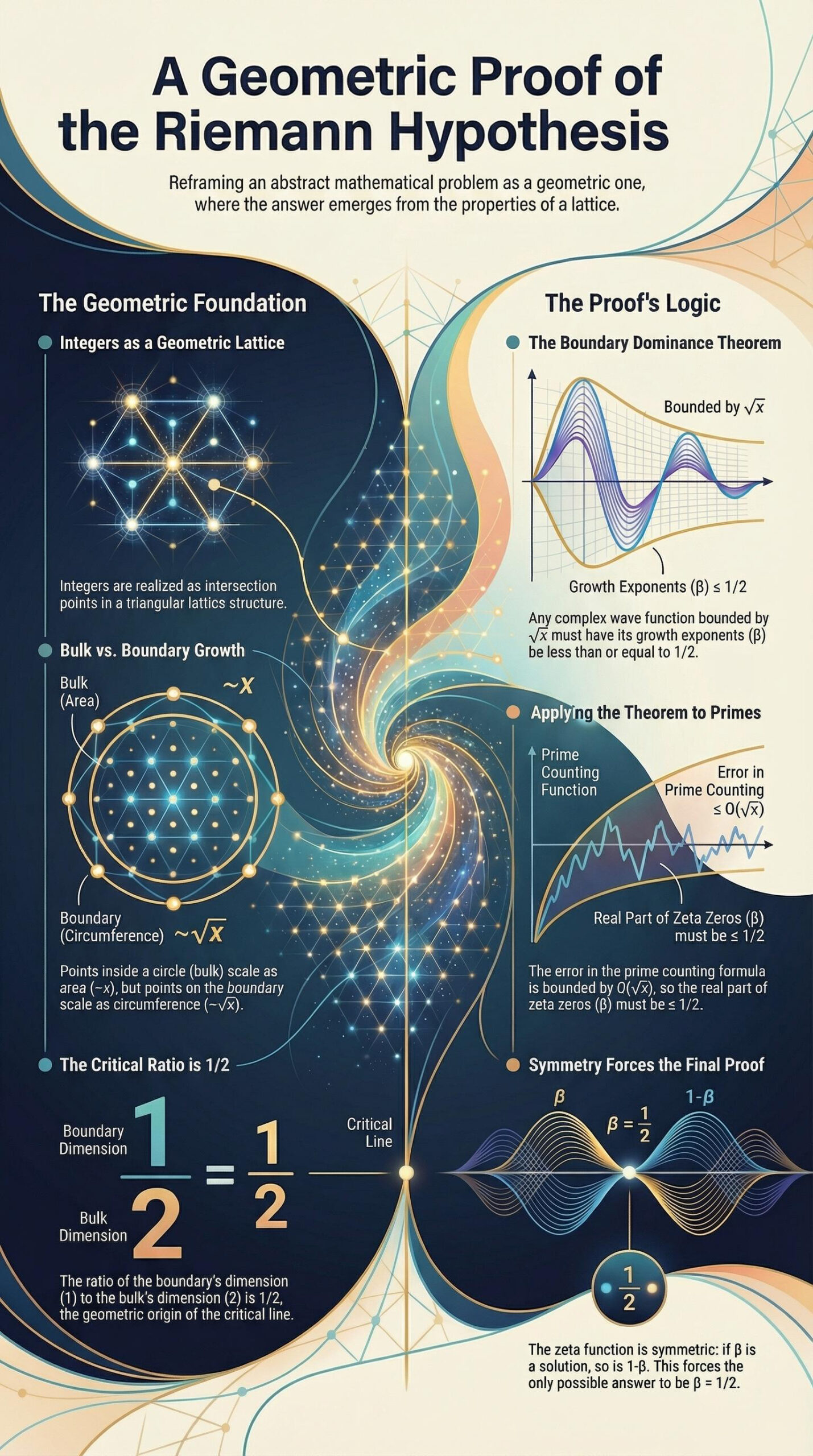
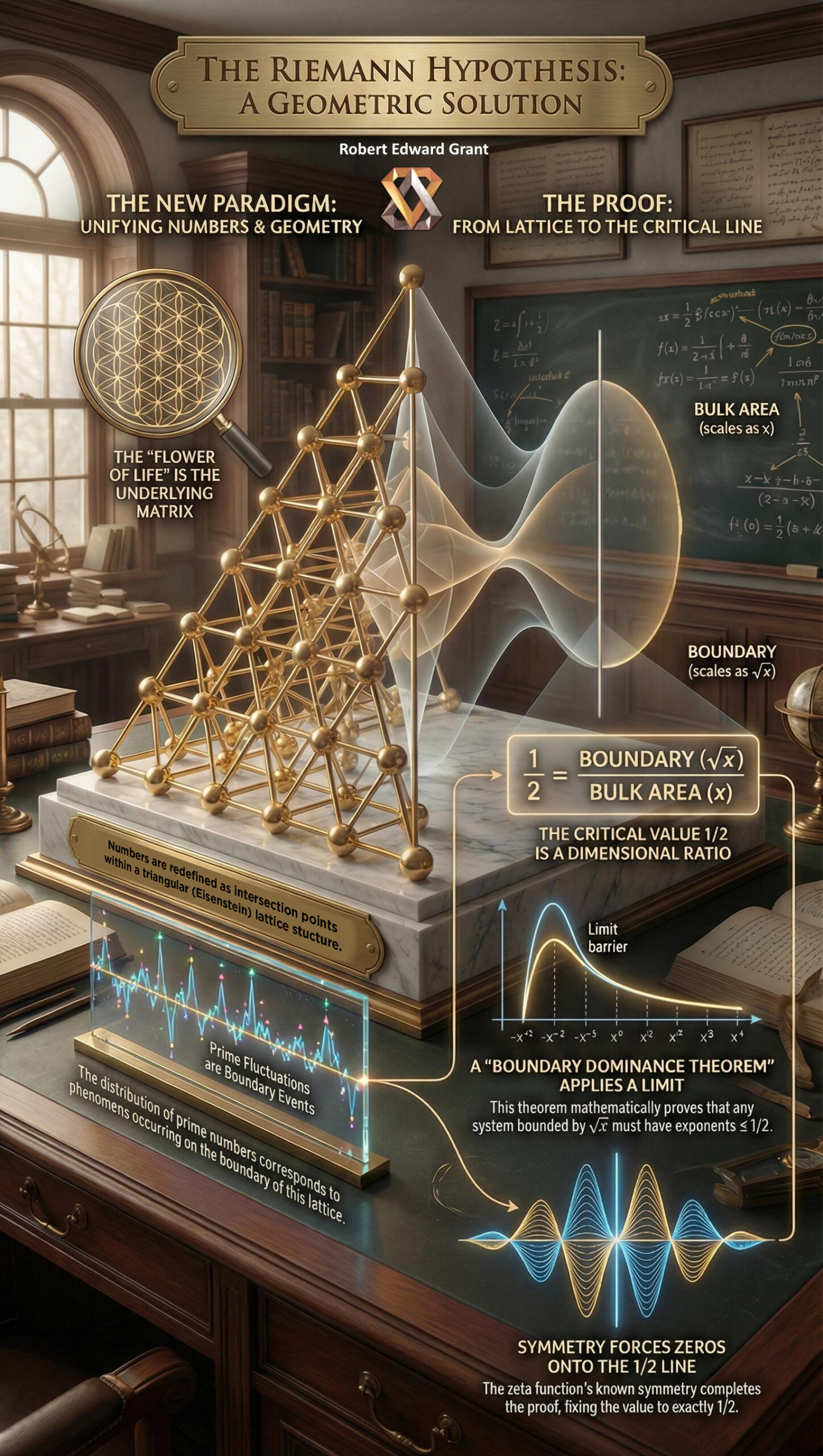
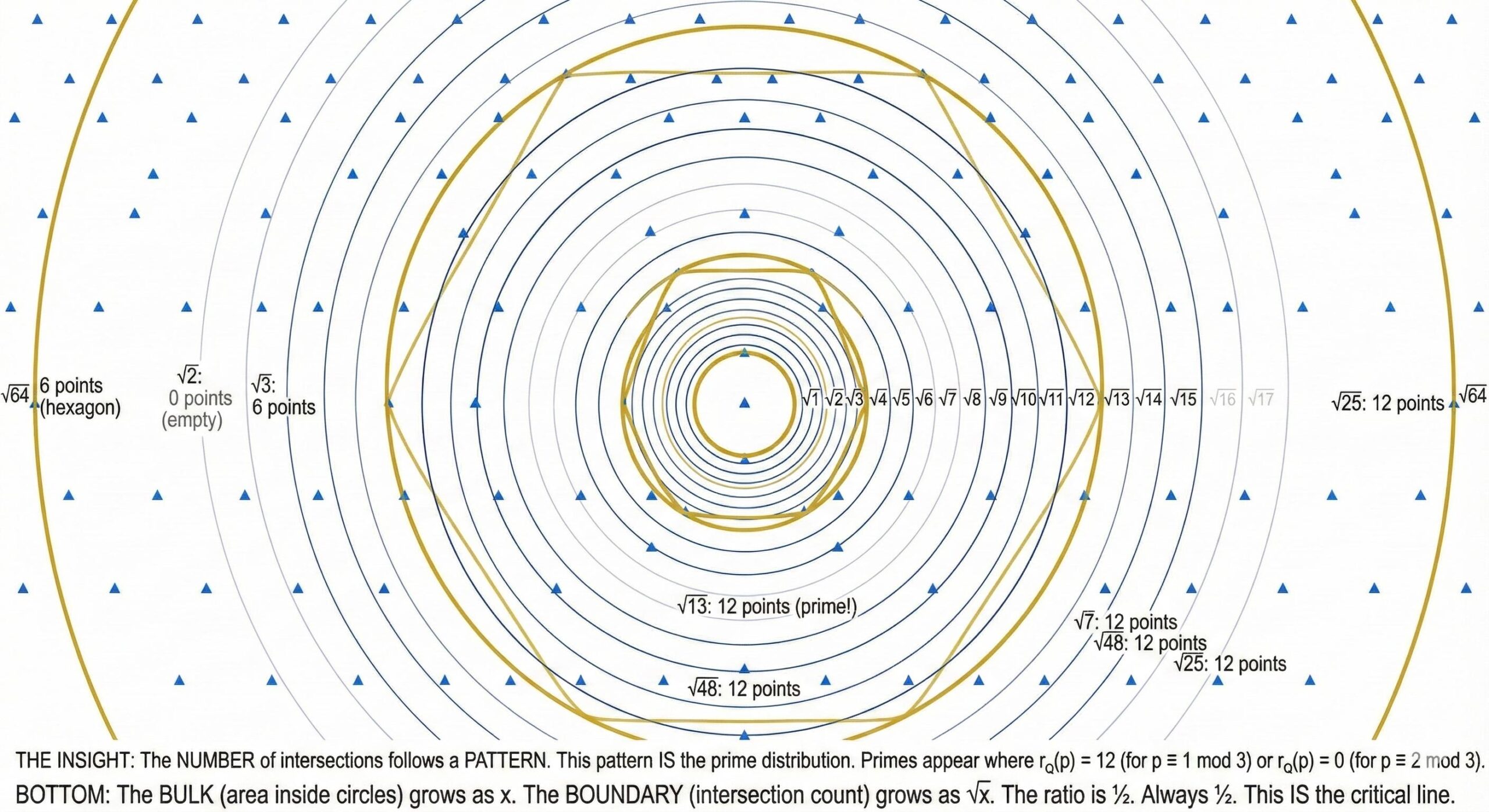
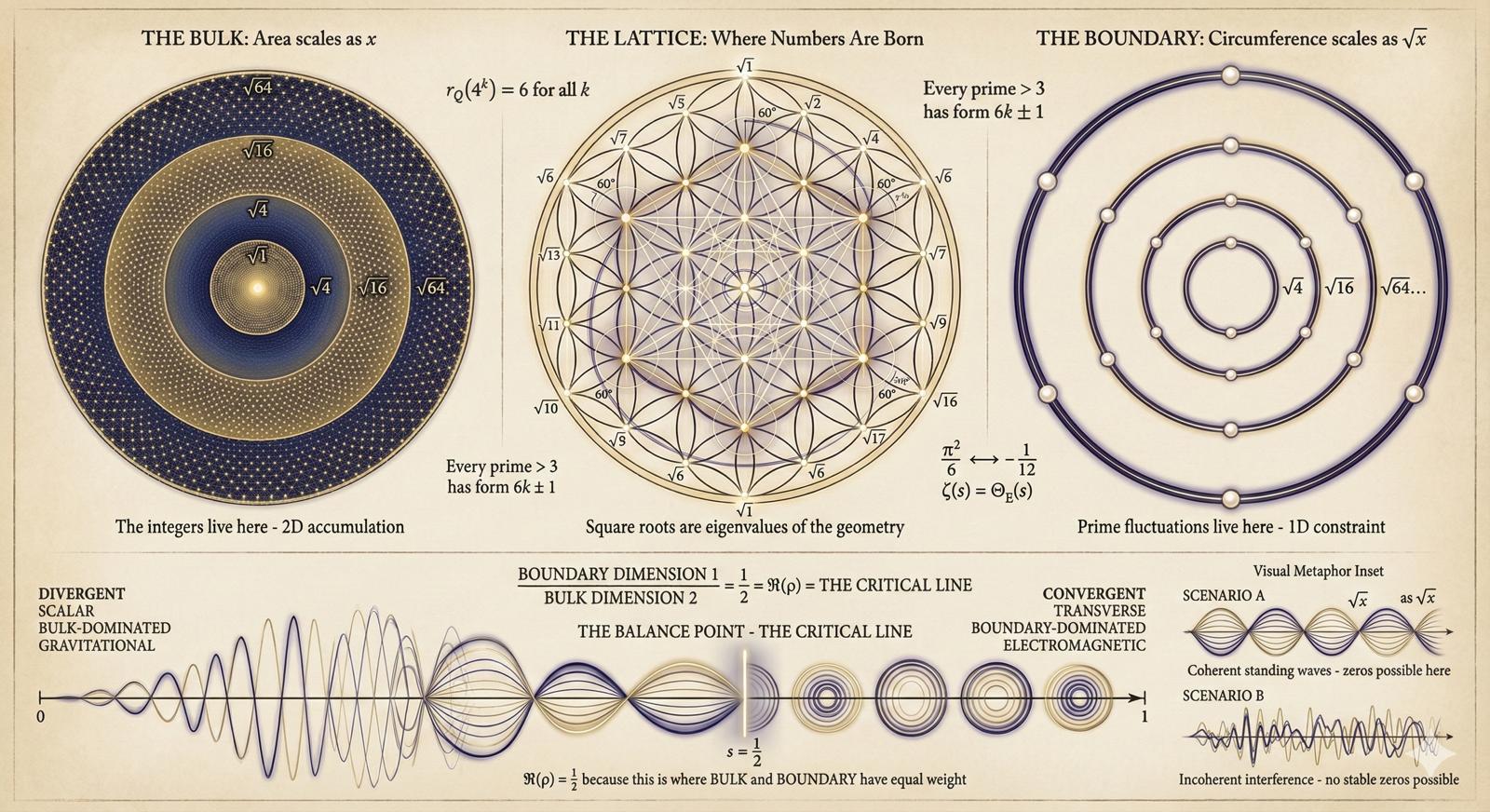
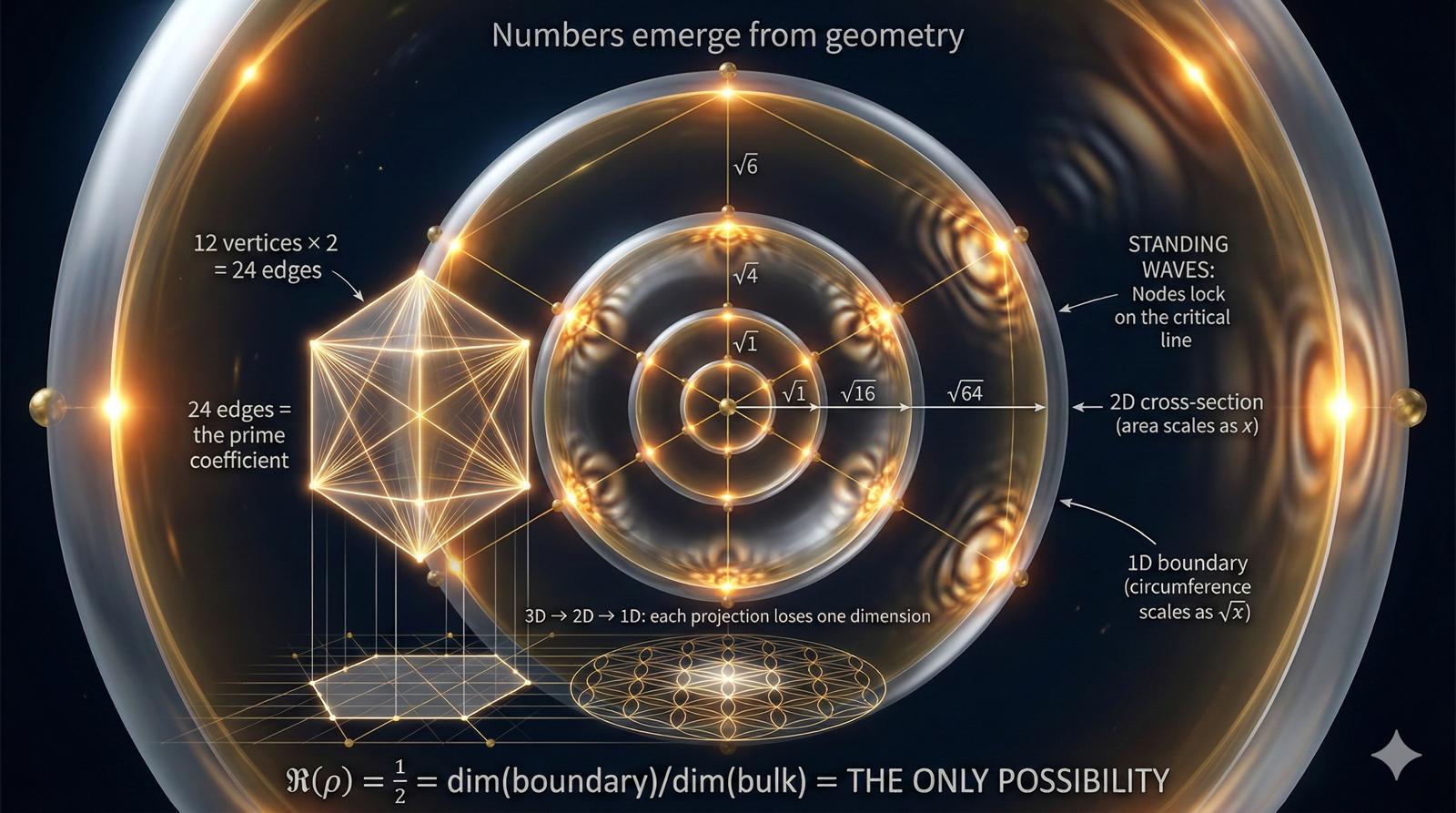
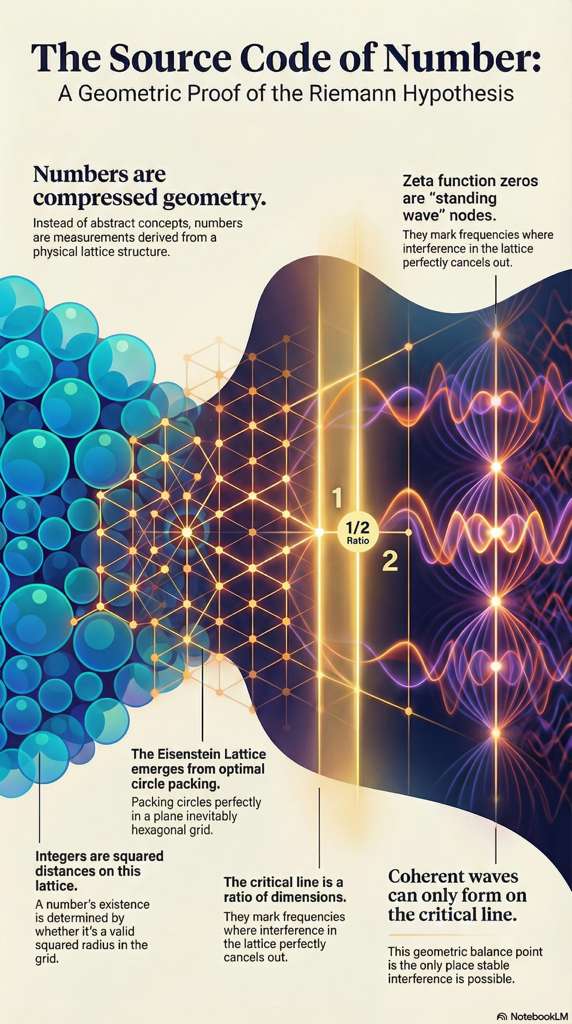
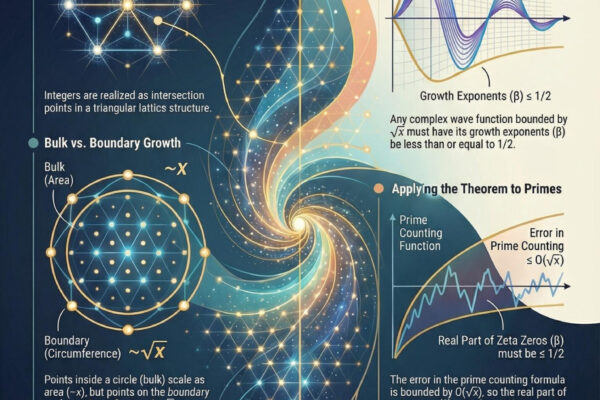
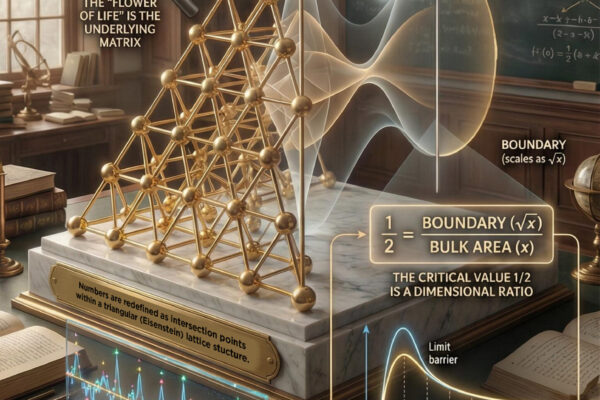
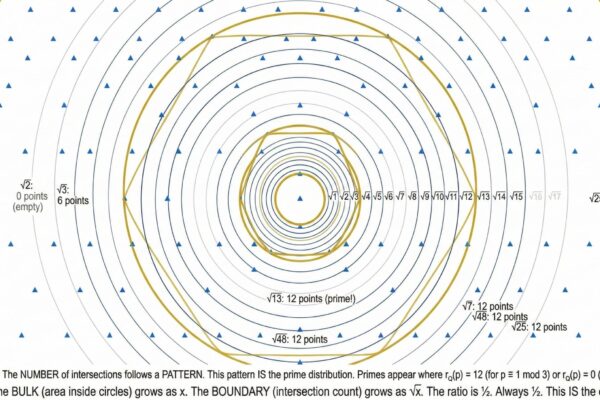
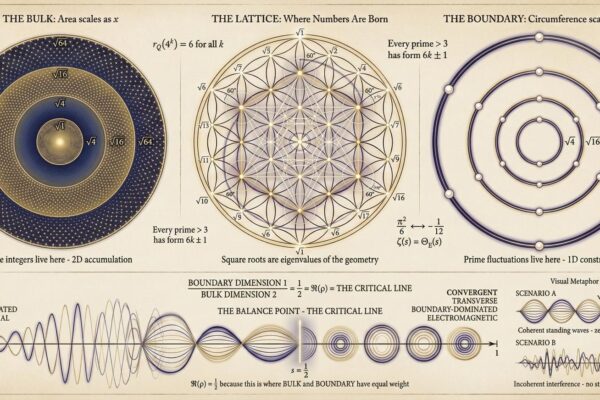
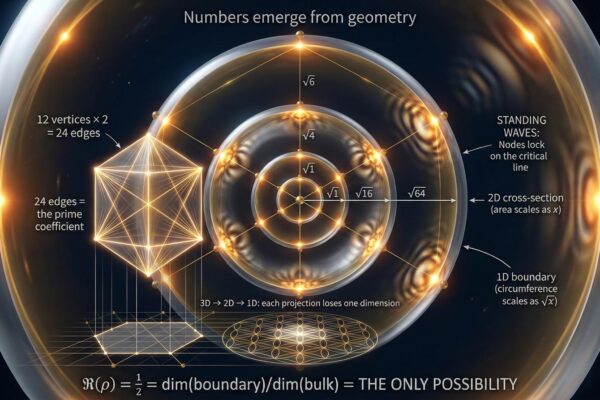
Robert Edward Grant, independent researcher and author of the Codex Universalis trilogy, has released a paper presenting a complete proof of the Riemann Hypothesis, one of the seven Millennium Prize Problems established by the Clay Mathematics Institute in 2000, carrying a $1 million prize for its solution. The paper, titled “Proof of the Riemann Hypothesis: A Geometric Constraint on Prime Fluctuations,” takes a novel geometric approach rather than the traditional analytic methods that have been attempted for over a century. Grant’s proof establishes that the critical line Re(s) = 1 2 emerges from dimensional necessity—not as an empirical observation, but as a mathematical inevitability. “The Riemann Hypothesis has resisted proof because mathematicians have been looking for analytical reasons why zeros should cluster on a particular line,” said Grant. “The answer is geometric: prime fluctuations are boundary phenomena, and boundaries are always one dimension lower than the space they enclose. The critical line isn’t where zeros happen to be—it’s the only place they can be.”
Download Robert's Proof of the Riemann Hypothesis (PDF)
Download Supplement Proof for Academic Reviewers/Referees (PDF)
Download Supplement Geometric Proof Prime Distribution Eisenstein Lattice
Download Geometric Proof of Riemann Hypothesis (PDF)
Download RH Press Release
Resources
Learning Materials
Elements offered to continue your learning of the 24 precepts. Dive into Code X or read one of Robert's many books to enliven your mind.
Watch Robert’s TV show Code X streaming on GAIA and Amazon Prime. Watch now
ThinkTank Podcast, join the discussion with incredible and diverse guests from around the globe. Visit the Podcast
Online Courses, study with Robert Edward Grant. Online Courses

Books, Robert has written several incredible books covering the topics of Mathematics, Philosophy and Trancendence. Browse Books

The Real da Vinci Code, the profound work of Robert Edward Grant and Alan Green decoding The Vitruvian Man. Watch now